
Pet Insurance for a Stray Cat: Start With Records and Effective Dates
A former stray cat can often be insured, but incomplete history does not guarantee a clean pre-existing-condition slate. Start with a veterinary exam and gather any shelter, rescue or prior treatment records you can find; the insurer’s definition of prior signs and symptoms will govern eligibility for later claims.
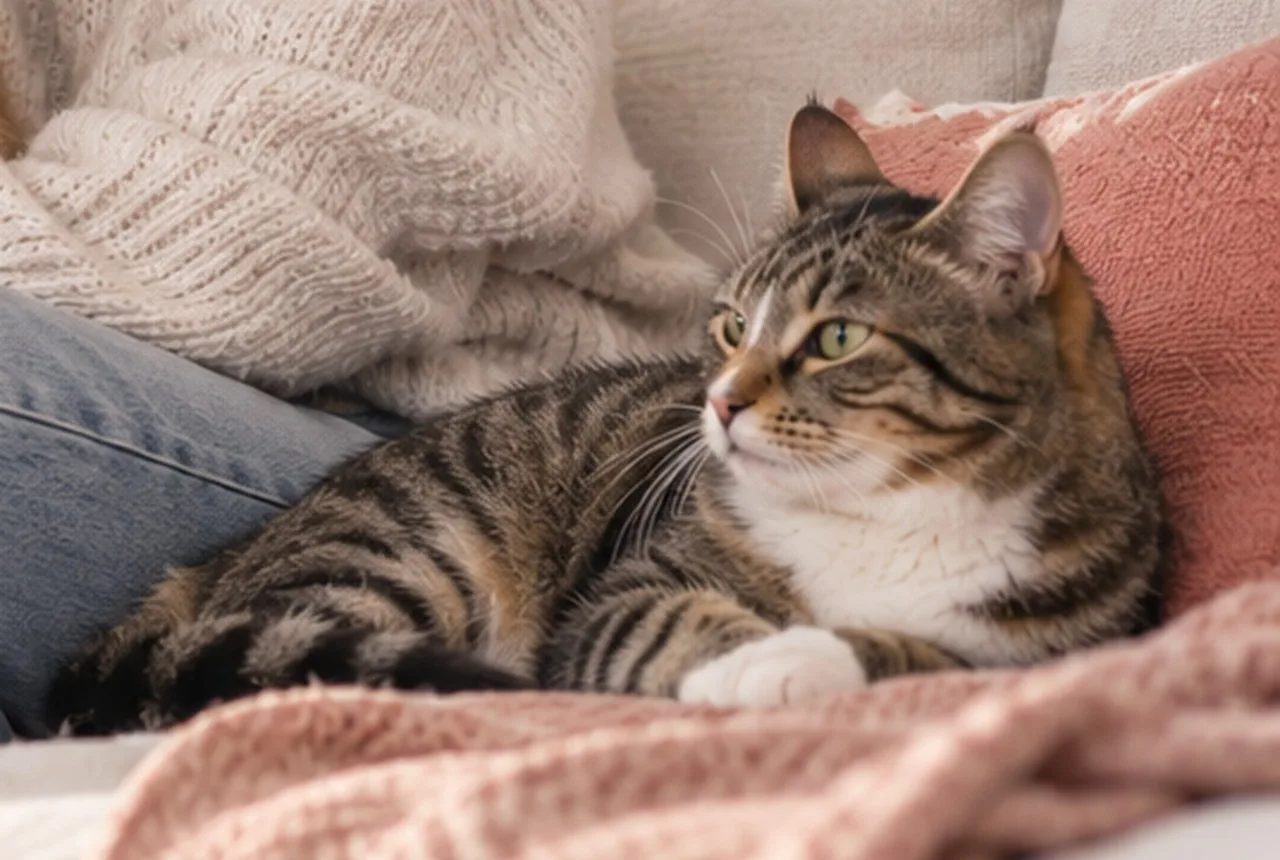
For a stray cat, “unknown history” is not the same as “no history.” The first examination creates a baseline, and any signs noted before coverage can matter later. Document dates carefully and ask how the insurer handles incomplete prior records.
A stray cat starts with an information gap
Merck Veterinary Manual advises having a newly acquired cat checked by a veterinarian promptly and notes that stray cats may arrive with health or behavior concerns. For insurance, that first examination can also become an important dated part of the medical record.
Two separate jobs: the veterinarian evaluates the cat’s current health; the insurer applies its policy definitions to the history and dates. A quote cannot replace either step.
Unknown history is not the same thing as “no pre-existing conditions”
The absence of old records does not prove that no signs existed. Answer application questions accurately with what is known, what the veterinarian documents now and any records that can be obtained from a shelter, rescue or prior caregiver.
Arrival date
Keep the date the cat came into your care and any available transfer/adoption information.
First veterinary exam
Preserve findings, tests, vaccines, parasite treatment and any identified symptoms.
Policy effective date
Record when coverage starts and when each waiting period ends.
Future claim
Compare the claimed condition with the dated record and the contract’s pre-existing definition.
Build the quote around future risk, not a promise about the unknown past
A policy may still be valuable for future eligible accidents or illnesses, but the useful comparison is how clearly each contract handles history, waiting periods and future unrelated conditions.
- Ask how the insurer handles incomplete prior records and any medical-record review.
- Read definitions for symptoms, related conditions and pre-existing conditions.
- Keep the first veterinary report and subsequent records together.
- Do not postpone needed care in order to buy coverage first.
Sources used for Pet Insurance For Stray Cat
These sources support the regulatory, market or veterinary facts used for pet insurance for stray cat. Policy terms can change, so the current policy form controls.
Coverage types, common exclusions, waiting periods and buying considerations.
Open official source → NAIC Pet Insurance topicRegulatory context and consumer protection framework.
Open official source → NAPHIA Get Your Pet CoveredQuote variables and comparison process.
Open official source → Merck Veterinary Manual: Selecting a CatVeterinary guidance on taking in a stray cat and arranging prompt veterinary evaluation.
Open official source →Compare Current Pet Insurance Rates
Check current options for your pet and location, then compare the policy details, exclusions, costs, and eligibility before choosing.